

How the U.S. College Recruiting Process Works
for International Student-Athletes
For thousands of international athletes, earning an athletic scholarship in the United States represents more than joining a university—it represents an opportunity to change their future. American colleges combine high-level academics with elite sports, creating a pathway unlike anything in Europe, South America, or other regions of the world. Yet, despite how many athletes dream of this opportunity, very few understand how the U.S. college recruiting process actually works. The system can feel unfamiliar, especially for athletes who come from traditional club or academy environments where schools have no involvement in sports.
This guide breaks down the entire recruiting process clearly and realistically. When you understand how coaches recruit, how scholarships are offered, how communication works, and what timelines are involved, the entire system becomes predictable and achievable. Whether you are a soccer, basketball, or volleyball athlete, your path to becoming a student-athlete in the U.S. starts with understanding how the process functions behind the scenes.
Why the U.S. Recruiting System Is Completely
Different From the Rest of the World
The American university structure is unique because it merges education and athletics into one unified pathway. In most countries, athletes advance through clubs or professional academies where education is treated as something separate. In the United States, your university is your team. Coaches are university employees, sports are deeply embedded in academic culture, and athletic departments operate with big budgets, professional staff, and long-term planning.
Because of this structure, universities actively recruit athletes, including international students. Coaches depend on strong recruiting to build competitive teams, improve results, and maintain their program’s reputation. International athletes bring diversity, maturity, different playing styles, and strong technical backgrounds—qualities many U.S. coaches value highly.
The NCAA, NAIA, and NJCAA divisions create thousands of opportunities, each with different scholarship possibilities and competition levels. Understanding these divisions, their eligibility rules, and what coaches expect helps athletes choose the right pathway and avoid unrealistic expectations.
How Coaches Discover and Evaluate International Athletes
The majority of U.S. coaches do not travel internationally to scout players in person. Instead, their first impression comes from your digital presentation. The three things coaches rely on most are:
1. Your Highlight Video
Your video is your introduction. Coaches evaluate your technique, athleticism, speed, tactical intelligence, movement, and ability to make quick decisions. They watch only a few seconds before deciding whether to continue. A strong video can create instant interest; a weak one can close opportunities immediately.
2. Your Academic Profile
Coaches must confirm you are eligible for admission and NCAA/NAIA requirements. They evaluate your GPA, high school transcripts, English level, and expected graduation year. Even if you are a strong athlete, you cannot receive an offer if your academics do not meet the university’s standards.
3. Your Communication and Professionalism
How you email a coach, how quickly you respond, how organized your message is, and how you present yourself all influence their perception of you. Your communication shows maturity, responsibility, and seriousness—qualities coaches value as much as athletic ability.
Because coaches receive hundreds of emails each week, the athletes who stand out are the ones who are professional, clear, and complete in their presentation.
The Recruiting Timeline: When Athletes Should
Start and When Coaches Take Action
The recruiting timeline catches many international athletes by surprise. Most do not realize that coaches plan their rosters months or even years in advance. Scholarship budgets must be allocated early. Admissions deadlines must be respected. Visa preparation requires time. Because of this structure, starting late can eliminate opportunities—even for highly skilled athletes.
When Athletes Should Begin the Process
The ideal window to begin preparing your recruiting profile is 10 to 14 months before your expected arrival in the U.S. This gives you time to prepare your highlight video, improve your English, complete academic requirements, and contact coaches before their rosters are full.
Starting early also helps you compare offers instead of accepting the first one, allowing you to choose the best academic and athletic environment.
When Coaches Become Most Active
Coaches recruit year-round, but activity increases depending on the sport’s competitive season. They review highlight videos, request full-game footage, study academic documents, and begin conversations with athletes weeks or months before they finalize scholarship decisions.
Early communication increases your chances significantly because it allows coaches to track your progress, understand your personality, and integrate you into their recruiting plan.
How Communication Between Coaches and Athletes Actually Works
Communication is the center of the recruiting process. Everything begins with an email, a highlight video, and an introduction. If a coach is interested, they will ask for more information, such as full matches, transcripts, passport copies, English scores, or additional athletic details.
As the conversation continues, coaches may schedule video calls to understand your goals, personality, and mentality. These calls are extremely important because coaches want to know whether you will be a good cultural fit for their team. They evaluate how you speak, how you respond to questions, how confident you are, and whether you show maturity.
As communication deepens, coaches begin to explain what they expect from players at your position, how scholarships work, what your schedule would look like, and what your academic responsibilities will be. This stage is about alignment. Both sides must understand whether the partnership makes sense.
Why Fast and Professional Responses Matter
Coaches move quickly. They cannot wait weeks for an athlete to reply. Responding quickly shows commitment, reliability, and discipline—all essential traits for a student-athlete.
Athletes who respond late or inconsistently often lose scholarship opportunities simply because coaches move on to the next candidate.
How Scholarship Offers Are Made and What They Include
Once a coach decides you are a strong candidate, they can make an offer. Scholarship packages depend heavily on the division, the university, and your academic profile. Offers may include tuition, housing, meals, books, or other costs. Some athletes receive full-ride scholarships, while others receive partial packages that still reduce tuition significantly.
The offer may be verbal at first, followed by an official document from the university. Coaches expect athletes to make decisions within a reasonable time frame, as rosters cannot remain open indefinitely. Delays on the athlete’s side can lead to losing the offer.
Why Academic Performance Influences Your Offer
Many athletes do not realize that strong grades and a good English score can increase their scholarship significantly. Academic awards can combine with athletic scholarships to reduce costs even more. Coaches love athletes who help them stretch their scholarship budget further.
What Happens After You Accept a Scholarship Offer
Accepting an offer activates the next phase of the process: admissions and visa preparation. You must submit academic transcripts, English test scores, identification documents, and other required forms. The NCAA or NAIA may need to verify your amateur status, which ensures you have not played professionally.
The Visa and I-20 Process
Once the university approves your admission, they send the I-20 form, which allows you to schedule your F-1 visa interview. Preparing for the interview requires documentation, financial proof, and clarity about your academic plans. After approval, you can book your flight and prepare for your arrival on campus.
Transitioning into life in the U.S. involves adapting to a new culture, academic system, training intensity, and expectations. Coaches expect punctuality, discipline, open communication, and full commitment. Student-athletes quickly grow in independence as they balance classes, training sessions, games, travel, and social life.
How Next Goal USA Support Athletes Through the Process
The U.S. recruiting system is full of opportunities, but it also contains rules, evaluations, documents, and timelines that can overwhelm athletes who try to navigate alone. Agencies like Next Goal USA exist to provide clarity, structure, and direct access to universities.
A good agency evaluates your level realistically, selects universities aligned with your goals, prepares your highlight video, manages communication with coaches, negotiates scholarship packages, and guides you through the entire admissions and visa process. Their expertise eliminates confusion and increases your chances of receiving stronger offers.
Why Experience Matters
Former student-athletes understand the emotional and practical challenges of the journey. Their experience becomes a roadmap that prevents mistakes and accelerates your progress.
Final Thoughts: Understanding the Process
Is the First Step Toward Your Scholarship
The U.S. college recruiting process is not a mystery—it is a system. When you understand how it works, you gain power. You communicate better, prepare better, choose better, and stand out from athletes who enter the system blindly. Success in the U.S. pathway comes from preparation, clarity, and consistent effort, not from luck.
Every year, international athletes earn scholarships not because they are the most talented, but because they follow the right steps. With the correct guidance, you can do the same.
Your journey toward becoming a U.S. student-athlete begins with a single step: understanding the process. The next step is taking action.
If you want expert guidance, strong communication with coaches, and a personalized strategy from start to finish, Next Goal USA is here to support your journey.
Start your free evaluation today and take the first step toward your athletic and academic future.
If you want expert help navigating the U.S. college recruiting process, communicating with coaches, and choosing the right pathway for your athletic and academic future, Next Goal USA is here to guide you every step of the way.
Start your free evaluation with Next Goal USA and let us guide you step-by-step toward becoming a U.S. student-athlete.
Explore the Next Goal USA Blog
Helping athletes and families understand everything about athletic scholarships, NCAA rules, highlight videos, and visas.

Read Our Best Articles
NCAA vs NAIA vs NJCAA: Which U.S. College Division Is Right for You?
How to Get an Athletic Scholarship in the USA: The Complete Guide for International Athletes
How the U.S. College Recruiting Process Works for International Student-Athletes
How to Create a Highlight Video That Gets You Recruited by U.S. College Coaches
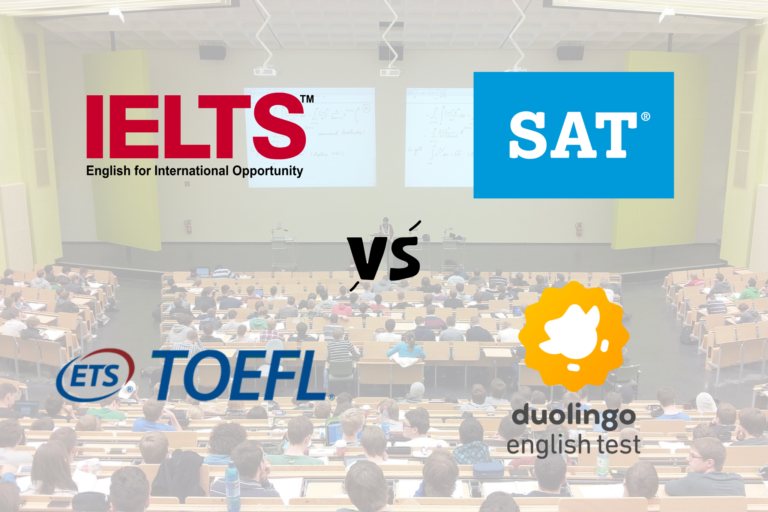
SAT vs TOEFL vs IELTS vs Duolingo: Which English Test Should International Student-Athletes Take?
Do International Athletes Go Pro After College? The Truth About NCAA, NAIA, and NJCAA Pathways
SIGN UP to our NEWSLETTER and don't miss out on the latest news from the college world!
Get exclusive U.S. scholarship tips, opportunities, and updates. Join our newsletter and stay one step ahead.
Ready to Continue Your Career in the United States?
Made with  by Marc Guerrero. All Rights Reserved.
Ready to Continue Your Career in the United States?
How the U.S. College Recruiting Process Works for International Student-Athletes
For thousands of international athletes, earning an athletic scholarship in the United States represents more than joining a university—it represents an opportunity to change their future. American colleges combine high-level academics with elite sports, creating a pathway unlike anything in Europe, South America, or other regions of the world. Yet, despite how many athletes dream of this opportunity, very few understand how the U.S. college recruiting process actually works. The system can feel unfamiliar, especially for athletes who come from traditional club or academy environments where schools have no involvement in sports.
This guide breaks down the entire recruiting process clearly and realistically. When you understand how coaches recruit, how scholarships are offered, how communication works, and what timelines are involved, the entire system becomes predictable and achievable. Whether you are a soccer, basketball, or volleyball athlete, your path to becoming a student-athlete in the U.S. starts with understanding how the process functions behind the scenes.
Why the U.S. Recruiting System Is Completely Different From the Rest of the World
The American university structure is unique because it merges education and athletics into one unified pathway. In most countries, athletes advance through clubs or professional academies where education is treated as something separate. In the United States, your university is your team. Coaches are university employees, sports are deeply embedded in academic culture, and athletic departments operate with big budgets, professional staff, and long-term planning.
Because of this structure, universities actively recruit athletes, including international students. Coaches depend on strong recruiting to build competitive teams, improve results, and maintain their program’s reputation. International athletes bring diversity, maturity, different playing styles, and strong technical backgrounds—qualities many U.S. coaches value highly.
The NCAA, NAIA, and NJCAA divisions create thousands of opportunities, each with different scholarship possibilities and competition levels. Understanding these divisions, their eligibility rules, and what coaches expect helps athletes choose the right pathway and avoid unrealistic expectations.
How Coaches Discover and Evaluate International Athletes
The majority of U.S. coaches do not travel internationally to scout players in person. Instead, their first impression comes from your digital presentation. The three things coaches rely on most are:
1. Your Highlight Video
Your video is your introduction. Coaches evaluate your technique, athleticism, speed, tactical intelligence, movement, and ability to make quick decisions. They watch only a few seconds before deciding whether to continue. A strong video can create instant interest; a weak one can close opportunities immediately.
2. Your Academic Profile
Coaches must confirm you are eligible for admission and NCAA/NAIA requirements. They evaluate your GPA, high school transcripts, English level, and expected graduation year. Even if you are a strong athlete, you cannot receive an offer if your academics do not meet the university’s standards.
3. Your Communication and Professionalism
How you email a coach, how quickly you respond, how organized your message is, and how you present yourself all influence their perception of you. Your communication shows maturity, responsibility, and seriousness—qualities coaches value as much as athletic ability.
Because coaches receive hundreds of emails each week, the athletes who stand out are the ones who are professional, clear, and complete in their presentation.
The Recruiting Timeline: When Athletes Should Start and When Coaches Take Action
The recruiting timeline catches many international athletes by surprise. Most do not realize that coaches plan their rosters months or even years in advance. Scholarship budgets must be allocated early. Admissions deadlines must be respected. Visa preparation requires time. Because of this structure, starting late can eliminate opportunities—even for highly skilled athletes.
When Athletes Should Begin the Process
The ideal window to begin preparing your recruiting profile is 10 to 14 months before your expected arrival in the U.S. This gives you time to prepare your highlight video, improve your English, complete academic requirements, and contact coaches before their rosters are full.
Starting early also helps you compare offers instead of accepting the first one, allowing you to choose the best academic and athletic environment.
When Coaches Become Most Active
Coaches recruit year-round, but activity increases depending on the sport’s competitive season. They review highlight videos, request full-game footage, study academic documents, and begin conversations with athletes weeks or months before they finalize scholarship decisions.
Early communication increases your chances significantly because it allows coaches to track your progress, understand your personality, and integrate you into their recruiting plan.
How Communication Between Coaches and Athletes Actually Works
Communication is the center of the recruiting process. Everything begins with an email, a highlight video, and an introduction. If a coach is interested, they will ask for more information, such as full matches, transcripts, passport copies, English scores, or additional athletic details.
As the conversation continues, coaches may schedule video calls to understand your goals, personality, and mentality. These calls are extremely important because coaches want to know whether you will be a good cultural fit for their team. They evaluate how you speak, how you respond to questions, how confident you are, and whether you show maturity.
As communication deepens, coaches begin to explain what they expect from players at your position, how scholarships work, what your schedule would look like, and what your academic responsibilities will be. This stage is about alignment. Both sides must understand whether the partnership makes sense.
Why Fast and Professional Responses Matter
Coaches move quickly. They cannot wait weeks for an athlete to reply. Responding quickly shows commitment, reliability, and discipline—all essential traits for a student-athlete.
Athletes who respond late or inconsistently often lose scholarship opportunities simply because coaches move on to the next candidate.
How Scholarship Offers Are Made and What They Include
Once a coach decides you are a strong candidate, they can make an offer. Scholarship packages depend heavily on the division, the university, and your academic profile. Offers may include tuition, housing, meals, books, or other costs. Some athletes receive full-ride scholarships, while others receive partial packages that still reduce tuition significantly.
The offer may be verbal at first, followed by an official document from the university. Coaches expect athletes to make decisions within a reasonable time frame, as rosters cannot remain open indefinitely. Delays on the athlete’s side can lead to losing the offer.
Why Academic Performance Influences Your Offer
Many athletes do not realize that strong grades and a good English score can increase their scholarship significantly. Academic awards can combine with athletic scholarships to reduce costs even more. Coaches love athletes who help them stretch their scholarship budget further.
What Happens After You Accept a Scholarship Offer
Accepting an offer activates the next phase of the process: admissions and visa preparation. You must submit academic transcripts, English test scores, identification documents, and other required forms. The NCAA or NAIA may need to verify your amateur status, which ensures you have not played professionally.
The Visa and I-20 Process
Once the university approves your admission, they send the I-20 form, which allows you to schedule your F-1 visa interview. Preparing for the interview requires documentation, financial proof, and clarity about your academic plans. After approval, you can book your flight and prepare for your arrival on campus.
Transitioning into life in the U.S. involves adapting to a new culture, academic system, training intensity, and expectations. Coaches expect punctuality, discipline, open communication, and full commitment. Student-athletes quickly grow in independence as they balance classes, training sessions, games, travel, and social life.
How Next Goal USA Support Athletes Through the Process
The U.S. recruiting system is full of opportunities, but it also contains rules, evaluations, documents, and timelines that can overwhelm athletes who try to navigate alone. Agencies like Next Goal USA exist to provide clarity, structure, and direct access to universities.
A good agency evaluates your level realistically, selects universities aligned with your goals, prepares your highlight video, manages communication with coaches, negotiates scholarship packages, and guides you through the entire admissions and visa process. Their expertise eliminates confusion and increases your chances of receiving stronger offers.
Why Experience Matters
Former student-athletes understand the emotional and practical challenges of the journey. Their experience becomes a roadmap that prevents mistakes and accelerates your progress.
Final Thoughts: Understanding the Process Is the First Step Toward Your Scholarship
The U.S. college recruiting process is not a mystery—it is a system. When you understand how it works, you gain power. You communicate better, prepare better, choose better, and stand out from athletes who enter the system blindly. Success in the U.S. pathway comes from preparation, clarity, and consistent effort, not from luck.
Every year, international athletes earn scholarships not because they are the most talented, but because they follow the right steps. With the correct guidance, you can do the same.
Your journey toward becoming a U.S. student-athlete begins with a single step: understanding the process. The next step is taking action.
If you want expert guidance, strong communication with coaches, and a personalized strategy from start to finish, Next Goal USA is here to support your journey.
Start your free evaluation today and take the first step toward your athletic and academic future.
If you want expert help navigating the U.S. college recruiting process, communicating with coaches, and choosing the right pathway for your athletic and academic future, Next Goal USA is here to guide you every step of the way.
Start your free evaluation with Next Goal USA and let us guide you step-by-step toward becoming a U.S. student-athlete.
Explore Our Blog
Helping athletes and families understand everything about athletic scholarships, NCAA rules, highlight videos, and visas.
Read Our Best Articles
NCAA vs NAIA vs NJCAA: Which U.S. College Division Is Right for You?
How to Get an Athletic Scholarship in the USA: The Complete Guide for International Athletes
How the U.S. College Recruiting Process Works for International Student-Athletes
How to Create a Highlight Video That Gets You Recruited by U.S. College Coaches
SAT vs TOEFL vs IELTS vs Duolingo: Which English Test Should International Student-Athletes Take?
Do International Athletes Go Pro After College? The Truth About NCAA, NAIA, and NJCAA Pathways
SIGN UP to our NEWSLETTER and don't miss out on the latest news from the college world!
Get exclusive U.S. scholarship tips, opportunities, and updates. Join our newsletter and stay one step ahead.
Ready to Continue Your Career in the United States?
Made with by Marc Guerrero. All Rights Reserved.