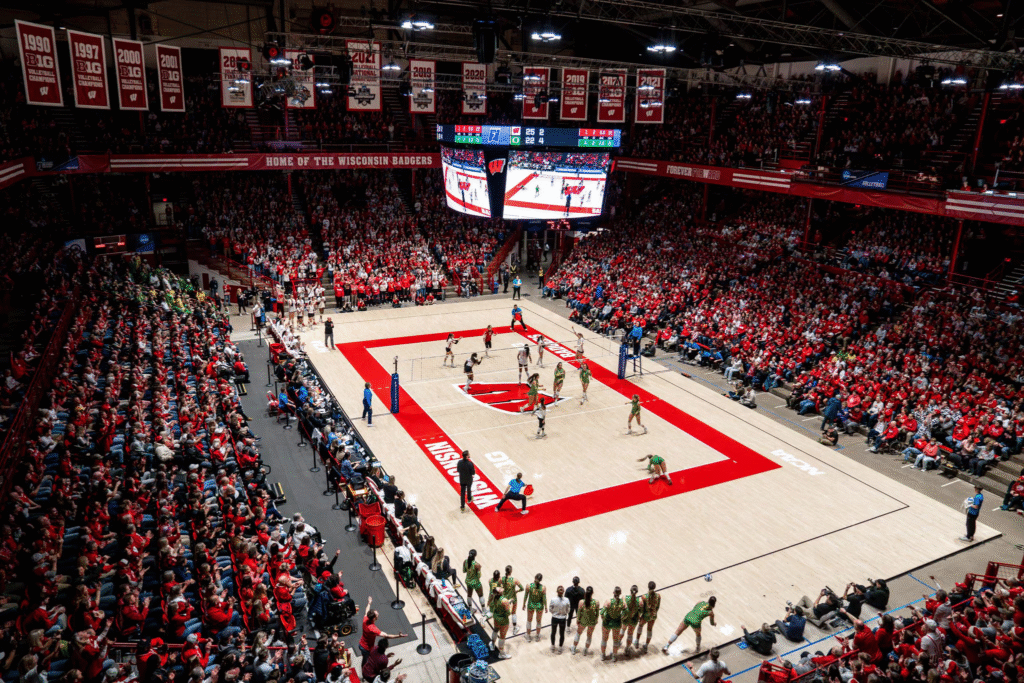
The United States is one of the world’s leading destinations for volleyball development, especially in the women’s game where the sport is massive, fast-paced, and professionally structured. Through the college system, international players can train daily, compete in national championships, and study at top universities — often with significant athletic and academic scholarships.
College volleyball in the U.S. offers athletes world-class coaching, strength training, sports science support, and elite facilities. The level of competition is exceptional, with thousands of international athletes competing at all divisions.
Scholarships make studying in the U.S. financially accessible, covering tuition, housing, meals, and other academic expenses. For players seeking both athletic growth and academic success, the U.S. college system offers unmatched opportunities.
NCAA volleyball, especially Division I, is among the strongest in the world. Teams train like professional programs, travel nationally, and compete in front of thousands of fans. Division II also offers high-level volleyball with more academic balance, while Division III focuses on academics but still provides structured and competitive volleyball programs.
NAIA teams often rival NCAA Division II in level and provide a very international-friendly recruiting environment. Coaches are flexible, scholarships are easier to combine with academic awards, and programs tend to be personal and supportive. This makes the NAIA an ideal pathway for many athletes.
Junior Colleges (JUCO) offer intense competition and an excellent opportunity for athletes who want to improve, get exposure, and transfer later into NCAA or NAIA programs. Scholarships are often generous, costs are lower, and players receive significant playing time to develop.
Coaches evaluate serving consistency, passing accuracy, hitting mechanics, blocking form, and defensive movement. They want athletes who execute fundamentals consistently and adapt well to fast game systems.
Height, jump reach, speed, lateral quickness, and explosiveness matter — but coaches also focus on how you use these attributes in real matches. They look for athletes who transition quickly, communicate effectively, and stay disciplined defensively.
Volleyball requires communication, resilience, and high energy. Coaches want players with leadership qualities, strong body language, and competitive drive. Your highlight video and match behavior reveal these traits clearly.
NCAA Division I teams recruit highly competitive athletes with strong physical profiles, while NAIA and NJCAA teams offer opportunities for players who demonstrate solid fundamentals, game understanding, and athletic potential.
Height helps, especially for hitters and blockers, but skills like timing, footwork, passing efficiency, and court awareness matter just as much. Liberos and setters often earn scholarships regardless of height.
Yes. Full scholarships exist at all levels, especially in women’s volleyball, which is one of the most scholarship-rich sports in the U.S. Many universities also combine academic and international aid.
Very competitive. Training is intense, matches are fast-paced, and athletes work with strength coaches, analysts, and sports science staff. Women’s volleyball is one of the biggest college sports in America.
Coaches evaluate approach mechanics, hitting technique, arm swing, blocking timing, ball control, serve receive, and defensive IQ. Attitude, communication, and energy are equally important.
Yes. Coaches want consistent match experience. Playing in club, academy, school leagues, or regional teams helps coaches understand your level.
Absolutely. Many NCAA players move to professional leagues in Europe, Asia, and South America. College volleyball prepares athletes physically and tactically for pro careers.
NJCAA offers affordable tuition, athletic scholarships, immediate playing time, and strong competition. Athletes often develop quickly and transfer to NCAA or NAIA with better scholarship offers.
Helping athletes and families understand everything about athletic scholarships, NCAA rules, highlight videos, and visas.
NCAA vs NAIA vs NJCAA: Which U.S. College Division Is Right for You?
How to Get an Athletic Scholarship in the USA: The Complete Guide for International Athletes
How the U.S. College Recruiting Process Works for International Student-Athletes
How to Create a Highlight Video That Gets You Recruited by U.S. College Coaches
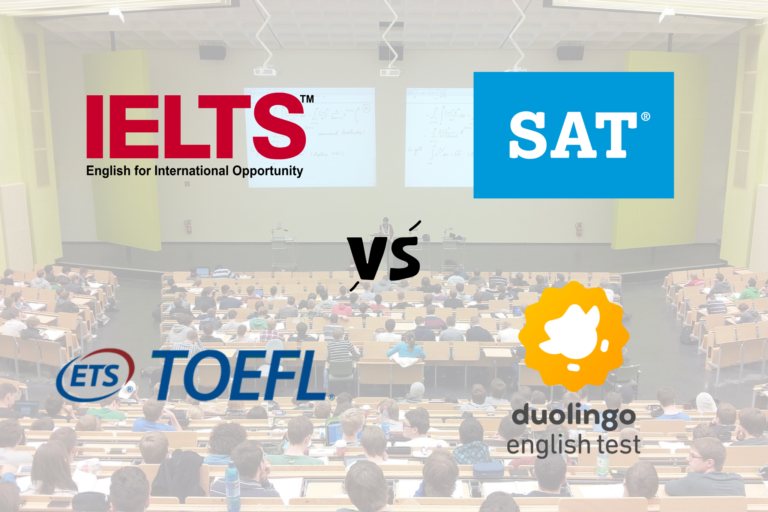
SAT vs TOEFL vs IELTS vs Duolingo: Which English Test Should International Student-Athletes Take?
Do International Athletes Go Pro After College? The Truth About NCAA, NAIA, and NJCAA Pathways
Made with by Marc Guerrero. All Rights Reserved.