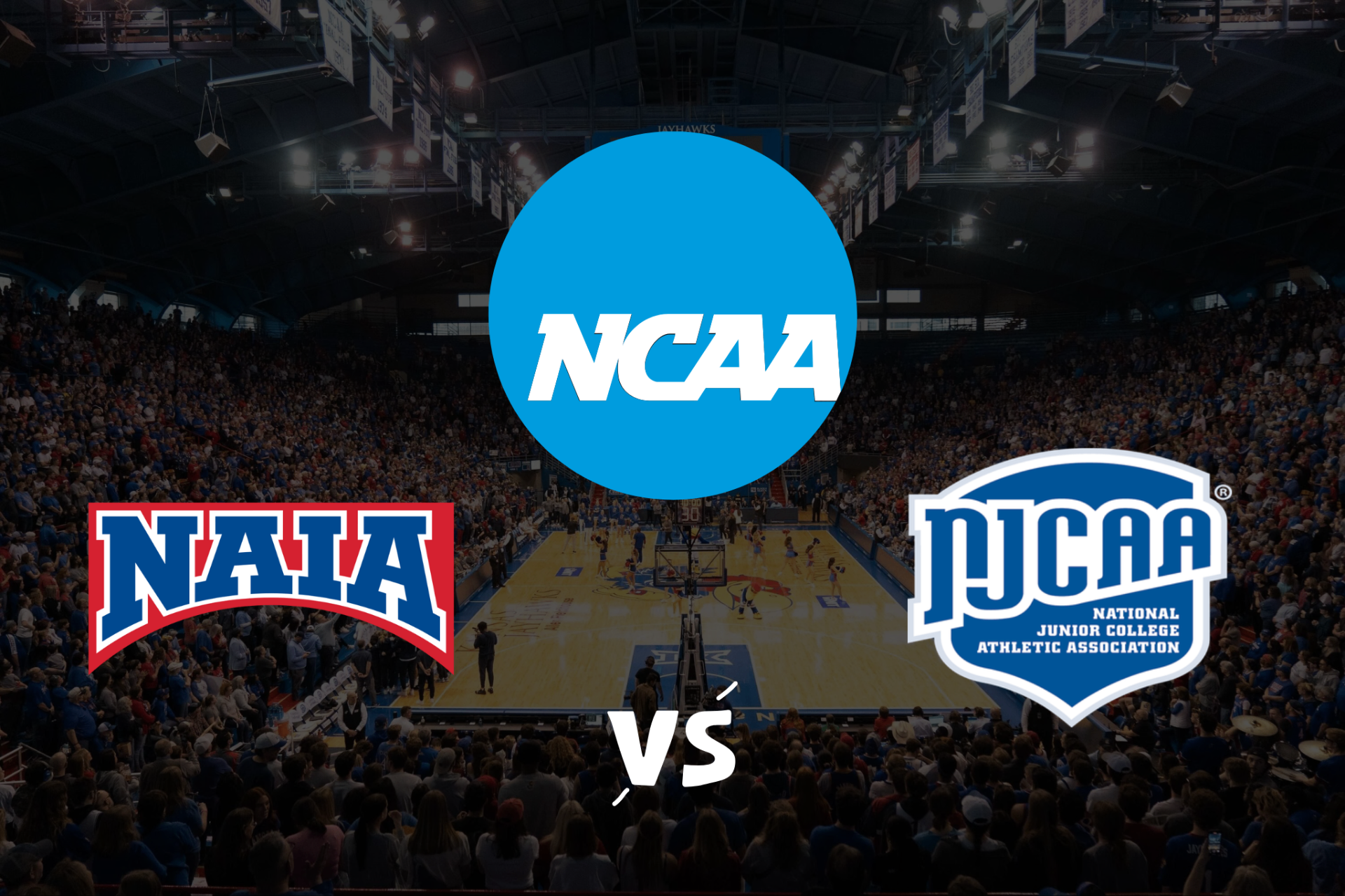
Choosing where to study and compete in the United States is one of the most important decisions an international student-athlete will make. With more than 1,600 universities across the NCAA, NAIA, and NJCAA, the U.S. college sports system can feel enormous and confusing from the outside.
This guide gives you a clear, honest explanation of how the three associations differ, how each system works, and which type of athlete thrives in each environment — so you can decide exactly where you belong.
Understanding the NCAA: Division I, II, and III Explained
The NCAA is the largest and most recognized collegiate athletics association in the United States, and it operates under a three-division system that organizes universities based on size, budget, level of competition, and overall philosophy. Each NCAA division is unique, and understanding these differences helps athletes choose a path aligned with their abilities and aspirations.
Division I is the highest level of college competition. It features universities with massive athletic budgets, world-class facilities, and highly competitive teams that often resemble professional environments. Games in Division I often take place in large stadiums with media coverage, thousands of spectators, and a level of pressure that pushes athletes to their limits.
Division II offers an excellent balance of academic support, athletic rigor, and scholarship opportunities. The level of play is still extremely competitive, but the environment is generally more flexible than Division I, with more individualized coaching and a strong emphasis on helping athletes balance academics and athletics.
Division III, in contrast, does not offer athletic scholarships. However, many DIII institutions provide generous academic awards and financial aid, especially for strong students. Athletes in this environment enjoy structured training and competitive seasons while maintaining more independence and academic flexibility.
"The NCAA's three divisions form the backbone of the American collegiate sports landscape — understanding where you fit is essential for a realistic recruiting plan."
The NAIA Explained: How It Compares and Why Athletes Choose It
The NAIA is often misunderstood or overlooked by international athletes who assume that all top-tier college sports exist only within the NCAA. In reality, the NAIA is an exceptional association with hundreds of universities, strong athletic programs, and a system that is particularly welcoming to international students. Many NAIA teams compete at levels that rival NCAA Division II, and some even surpass them.
One of the NAIA's greatest strengths is its flexibility. Unlike the NCAA, which operates under more rigid timelines and bureaucratic processes, the NAIA allows coaches to recruit and offer scholarships more quickly and directly. For athletes, this means higher responsiveness, clearer communication, and more personalized attention during the recruiting process.
The NAIA also offers a unique blend of academic and athletic scholarships. Schools frequently combine athletic awards with academic merit scholarships or international student grants, creating financial packages that make studying in the United States far more affordable.
International athletes thrive in the NAIA because the competition is strong, the training quality is high, and the community atmosphere is very supportive. Programs tend to be tight-knit, with coaches who prioritize development, personal relationships, and long-term growth.
The NJCAA (JUCO) Pathway: Why Junior Colleges Are a Smart Option
The NJCAA, which governs two-year colleges known as Junior Colleges or 'JUCOs,' plays a unique and vital role in the U.S. sports system. Many international athletes mistakenly believe that Junior Colleges offer a lower level of competition, but this perception could not be further from the truth. JUCO programs are fiercely competitive, athletically demanding, and widely respected by four-year universities looking for strong transfer athletes.
Junior Colleges are often the best option for athletes who need more time to develop physically, technically, or academically before entering a four-year university. If an athlete started the recruiting process late, struggled academically in high school, needs time to improve English proficiency, or simply wants to gain confidence and exposure, the NJCAA provides a supportive and realistic pathway.
One of the biggest advantages of the NJCAA is affordability. Many Junior Colleges have significantly lower tuition costs, and they often offer athletic scholarships that cover most expenses. At the same time, the athletic environment in JUCO is intense and fast-paced, with many players competing with the clear intention of transferring into NCAA or NAIA schools after proving themselves.
For athletes who embrace growth, discipline, and opportunity, the NJCAA can be a strategic stepping-stone that leads to even stronger scholarship offers in their third and fourth years of college.
Scholarships Across NCAA, NAIA, and NJCAA
Scholarships are one of the biggest reasons international athletes pursue college sports in the United States, but each division handles scholarships differently. Understanding the system clearly can help you build a realistic financial plan.
In the NCAA, Division I programs tend to have the largest athletic budgets and the strictest scholarship limits. Full-ride athletic scholarships are rare and highly competitive. Division II schools offer a blend of athletic and academic scholarships, and financial packages often depend on both athletic performance and academic strength. Division III schools do not provide athletic scholarships, but many offer substantial academic awards or need-based aid.
In the NAIA, scholarship flexibility is one of the biggest advantages. Coaches can combine athletic awards with academic scholarships or international grants, creating competitive financial packages tailored to each athlete.
The NJCAA provides some of the most cost-effective opportunities in the entire U.S. college sports system. Many Junior Colleges offer full or partial athletic scholarships, and tuition is already much lower than at four-year institutions. By starting at a JUCO, athletes can dramatically reduce overall costs and then transfer into a larger university with improved scholarship potential.
Level of Competition: Where Do You Fit as an Athlete?
Competition levels differ significantly across the NCAA, NAIA, and NJCAA, and knowing where your abilities fit is essential for making the right choice.
Athletes who aspire to NCAA Division I typically possess exceptional physical attributes, advanced tactical intelligence, and experience in elite-level environments. These athletes thrive under pressure, adapt quickly, and commit deeply to a demanding schedule that often mirrors a professional routine.
Division II and NAIA athletes compete at high levels as well, but the environment tends to prioritize balance. These divisions welcome highly skilled players who want a strong athletic experience alongside meaningful academic engagement.
The NJCAA attracts athletes who are hungry for opportunity, driven to grow, and willing to prove themselves. The competition is intense, and the pathway is clear: perform well, develop quickly, and earn a transfer to a four-year university.
Academics, Lifestyle, and Campus Experience
The academic expectations and lifestyle vary across divisions but share a common theme: the student-athlete experience is designed to prepare you for success both in and out of the classroom.
NCAA Division I athletes often face demanding travel schedules, rigorous training, and a lifestyle that closely resembles professional sports. Division II institutions tend to offer more flexibility, while Division III programs place greater emphasis on academic performance.
NAIA campuses often have close-knit communities, smaller class sizes, and coaches who emphasize both academic and athletic success. The environment is supportive and personal, which helps many international athletes adapt more quickly.
Junior Colleges create a structured but flexible academic environment, offering smaller classes, personalized instruction, and strong support systems for athletes who need to improve academically before transferring.
Eligibility Requirements: What You Need to Know
Different divisions have different academic and eligibility requirements. NCAA divisions require certification through the NCAA Eligibility Center, which reviews your academic transcripts and amateurism status. NAIA schools use their own Eligibility Center, which tends to be more flexible and quicker to process. NJCAA institutions generally have fewer barriers, making them an excellent option for athletes who need additional time to prepare academically or linguistically.
Understanding eligibility early in the process prevents delays, disappointment, and missed opportunities. This is why preparing academically is just as important as preparing athletically.
Which U.S. College Division Is Right for You?
Choosing the right division is not about prestige; it is about fit. The best division is always the one that aligns with your current athletic ability, your academic strength, your financial situation, and your long-term goals.
If you are an elite athlete with exceptional physical and tactical preparation and you dream of playing professionally, NCAA Division I may be the environment where you thrive. If you seek a strong balance between academics and athletics and want a supportive environment for growth, NCAA Division II or the NAIA may be the ideal fit. If you are a late developer, or if you want an affordable first step with clear transfer opportunities, the NJCAA can be a powerful and strategic choice.
Success in the U.S. college pathway does not depend on the division you start in, but on your discipline, dedication, and willingness to grow.
Final Thoughts: Every Division Offers Opportunity
The U.S. college sports system is incredibly diverse, offering pathways for all types of athletes. Whether you begin your journey in the NCAA, the NAIA, or the NJCAA, what matters most is your effort, your preparation, and your belief in your own potential. Every year, international athletes from all backgrounds excel in every division, proving that opportunity comes to those who embrace the process with vision and commitment.
Your goal is not to choose the 'best' division; your goal is to choose the division that helps you become the best version of yourself.
If you want personalized guidance on choosing the right division for your goals, Next Goal USA is here to help. Begin your journey by requesting a free evaluation and discover which pathway will give you the greatest opportunity to study and compete in the United States.
Not sure which division fits you?
Start your free evaluation with Next Goal USA and let us guide you step-by-step toward the right pathway for your athletic and academic goals.