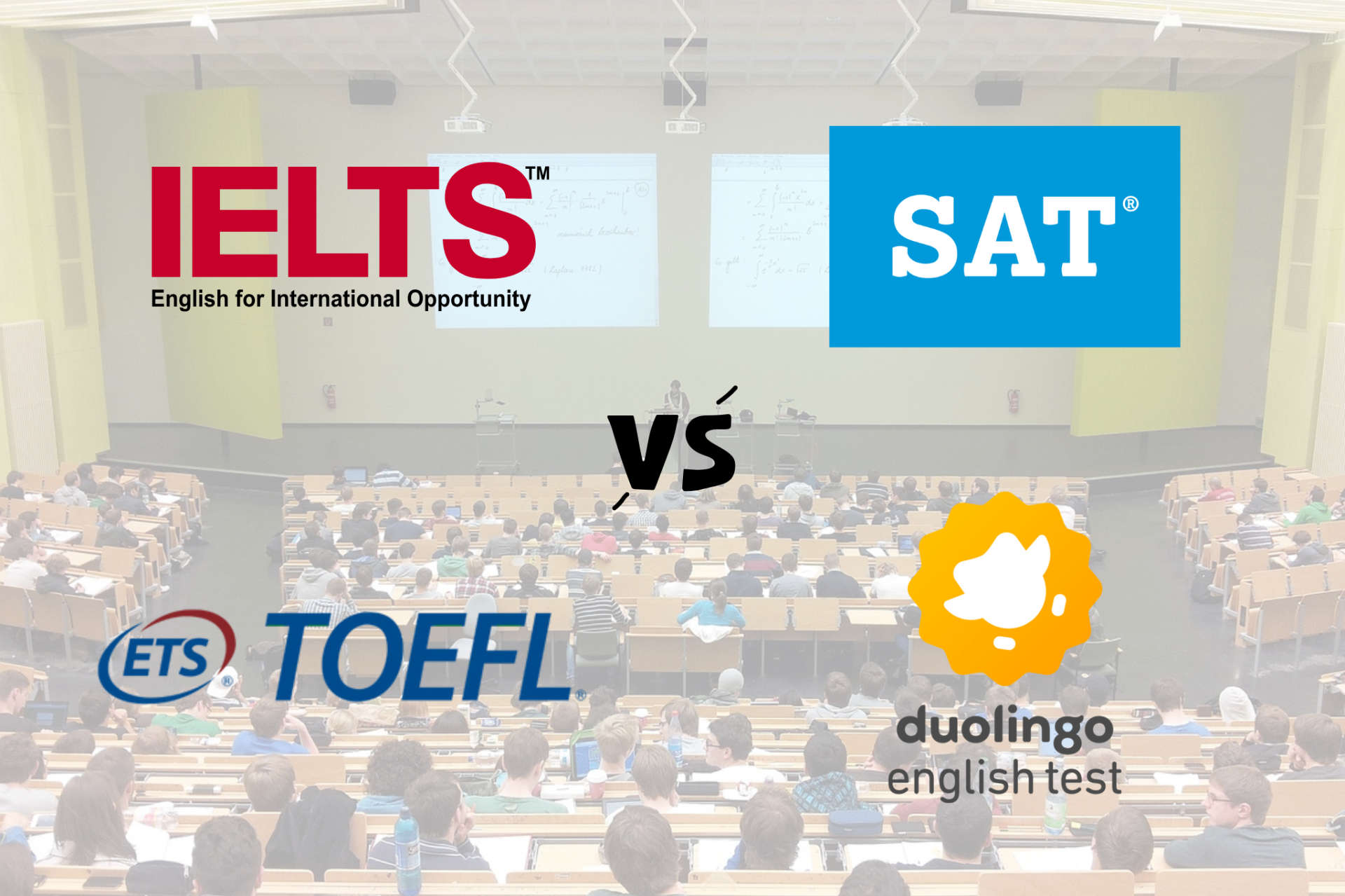
For international student-athletes who want to study and compete in the United States, choosing the right English exam is one of the most important academic decisions in the entire scholarship process.
The test you choose can determine how competitive your application is, how smoothly your admission process goes, and even how coaches evaluate your readiness to succeed academically in an American university.
Why English Tests Matter for International Student-Athletes
The English proficiency test is more than an academic requirement—it is a fundamental part of your eligibility. Universities must ensure that every international student-athlete can participate fully in class discussions, understand lectures, complete assignments, and communicate effectively with professors and teammates. A strong score demonstrates to coaches and admissions departments that you will not struggle academically, which gives them confidence to invest a scholarship in you.
Your English test can also influence the type of scholarship you receive. Many universities offer academic scholarships in addition to athletic ones, and higher English scores can dramatically increase the total amount of financial aid you qualify for. For athletes who want to reduce costs as much as possible, choosing the right test and preparing well can make a significant difference in affordability.
Even if you are exceptional in your sport, universities still need to verify that you are prepared to study in English, participate in college-level classes, and succeed academically while balancing your athletic commitments. Coaches want athletes who will perform well on the field, but they also look for students who can handle the academic expectations of the American classroom. The English test you choose becomes a direct reflection of your academic preparation, discipline, and commitment to the student-athlete lifestyle.
"Universities will not accept you—and coaches cannot officially offer you a place—until you meet the English requirements."
Understanding the SAT
The SAT is one of the most well-known standardized tests in the United States, traditionally used to evaluate a student’s academic readiness for college. Although it is not primarily an English test, it includes critical reading and writing sections that measure comprehension, vocabulary, and reasoning ability. The SAT is typically required by more academically selective universities, especially NCAA Division I institutions with strong academic reputations.
For international athletes, the SAT can be a good choice if you are aiming for academically competitive programs or if you want to qualify for substantial academic scholarships. However, the SAT is also one of the most challenging exams because it requires strong reading comprehension, analytical thinking, and familiarity with test strategies. Unlike pure English proficiency exams, the SAT evaluates much broader academic skills.
Because of this, many athletes prefer to take an English-focused test instead, unless a specific university requires the SAT. If you are considering the SAT, make sure you understand the math and evidence-based reading sections and allow yourself enough time to prepare across all areas, not just English.
Understanding the TOEFL
The TOEFL is one of the most widely accepted English proficiency tests for U.S. universities. It evaluates reading, writing, listening, and speaking skills in academic contexts. The TOEFL has been used for decades and remains a trusted standard for determining whether an international student is ready for the classroom.
For athletes, the TOEFL is a reliable and widely recognized option. Universities across all divisions—NCAA, NAIA, and NJCAA—accept TOEFL scores, and coaches are familiar with its scoring system. The exam focuses specifically on academic English, which prepares you for the type of communication you will use in class.
However, the TOEFL can be more expensive and less flexible than other exams. It requires scheduling in advance, attending a testing center, and following longer testing procedures. For athletes who need quick results, the TOEFL may be less convenient than other options. Planning your test date early is important so your score is ready when coaches request it.
Understanding the IELTS
The IELTS is another highly respected English proficiency test used around the world. It also measures reading, writing, listening, and speaking, but it follows a different structure and scoring system than the TOEFL. Many universities in the United States accept the IELTS as an alternative to the TOEFL, and some student-athletes prefer it because the speaking component involves a face-to-face conversation rather than a computer-based response.
Athletes who feel more comfortable demonstrating their spoken English in a conversational format often choose the IELTS. The test is known for being fair, clear, and predictable in its question types. It is also widely recognized by universities outside the United States, which can be useful if you want to keep your options open.
However, like the TOEFL, it requires scheduling an in-person exam session in many countries. For athletes who live far from testing centers or who need urgent results, this can be a limitation. It is important to check whether your target universities prefer IELTS, TOEFL, or both before committing to one exam.
Understanding the Duolingo English Test
In recent years, the Duolingo English Test has become one of the most popular choices among international student-athletes. Designed as a modern and accessible alternative to traditional exams, Duolingo offers a fully online, at-home test that can be taken on any computer with a webcam. It evaluates reading, writing, listening, and speaking through short, adaptive questions that adjust to your level as you progress.
The main advantage of the Duolingo test is its convenience. You can take it at home, receive results within 48 hours, and pay a significantly lower fee compared to the TOEFL or IELTS. Many athletes choose Duolingo because it allows them to complete the English requirement quickly, especially when coaches request scores on short notice. Universities across the United States—including hundreds of NCAA, NAIA, and NJCAA programs—now accept Duolingo scores as part of their admissions requirements.
For athletes who need a fast, affordable, and flexible exam, Duolingo is often the best option. However, it is important to confirm that your target universities accept Duolingo before relying exclusively on it. While acceptance is very widespread, some highly selective universities still prefer the TOEFL, IELTS, or SAT.
Which Exam Is Easier for Athletes?
The difficulty of each exam depends on your strengths as a student and your experience with English. Many athletes find Duolingo to be the most accessible option because its adaptive structure reduces stress and allows you to demonstrate your English ability without long passages or complicated academic vocabulary. The test is shorter, more intuitive, and designed for real-life communication skills.
TOEFL and IELTS require more advanced academic English and longer concentration span, which can be more challenging for athletes who have limited experience with formal exams. The SAT is usually the most difficult exam because it demands not just English proficiency but also analytical and mathematical skills.
For most international student-athletes, the SAT is only necessary if a specific university requires it or if you want to maximize academic scholarship opportunities. The right exam is not necessarily the easiest one; it is the one that best matches your academic profile, your target universities, and your preparation timeline.
How Coaches View These Exams
Coaches do not typically care which English exam you choose, as long as you meet the university’s requirements. Their main priority is ensuring that you will be eligible for admission and ready to handle academic responsibilities. However, coaches do appreciate athletes who complete their English exam early in the recruiting process.
Having your score ready makes you a more practical and predictable recruit. It allows the coach to present your profile confidently to admissions, which increases your chances of receiving an offer. Coaches also value higher English scores because they often lead to academic scholarships.
When your English test helps reduce your tuition, the athletic department may not need to spend as much of its athletic scholarship budget to bring you to the university. This gives coaches more flexibility and makes you a more attractive recruit. From a coach’s perspective, academic readiness and English eligibility are just as important as athletic talent.
Choosing the Right Exam for Your Goals
Your choice of exam should reflect your target universities, your confidence in English, your timeline, and your academic ambitions. If you want to apply to more selective universities or maximize academic scholarship opportunities, the SAT may be worth considering. If your goal is simply to meet the English requirement efficiently, Duolingo is often the best option.
The TOEFL and IELTS are ideal if you prefer traditional, academically structured exams or if your target universities specifically recommend them. Both are widely accepted and respected by U.S. admissions offices. You should also consider how quickly you need results. If a coach requests a score urgently, Duolingo provides the fastest turnaround time.
If you prefer an exam that tests your speaking ability in person, the IELTS may be a better fit. Understanding these differences allows you to make an informed decision that supports both your academic and athletic goals. The best exam is the one that gets you admitted, keeps you eligible, and fits your preparation style.
How to Prepare for Your English Test as an Athlete
Preparing for your English exam requires consistency, practice, and familiarity with the test structure. Athletes often underestimate the importance of dedicating time to English study, especially when they are focused on training and competition. However, even short daily study sessions can produce significant improvements.
The key is to build a routine that strengthens your vocabulary, improves your reading comprehension, and increases your comfort level with speaking and writing in English. Watching English-language media, reading articles, listening to podcasts, and practicing conversation with teammates or tutors can accelerate your progress.
Using official practice materials from the SAT, TOEFL, IELTS, or Duolingo helps you understand the types of questions you will face and reduces anxiety on exam day. Treat your English preparation like athletic training: regular practice, focused weaknesses, and mock tests under timed conditions will help you reach your target score.
Final Thoughts: The Exam You Choose Can Shape Your Future
Selecting the right English test is a crucial step in your journey toward becoming a U.S. student-athlete. Each exam offers different advantages, formats, and preparation demands. Your choice should reflect your goals, your academic profile, and the expectations of the universities you are targeting. Whether you choose the SAT, TOEFL, IELTS, or Duolingo, what matters most is your preparation, your commitment, and your determination to meet the requirements confidently.
Your English test is more than an academic hurdle—it is a gateway to the opportunities that await you in the United States. The better prepared you are, the stronger your position will be when coaches and universities evaluate your application. A strong score can open doors to better universities, more scholarship money, and a smoother transition into college life.
If you want guidance on choosing the best English exam for your goals and preparing effectively, Next Goal USA is here to help. Begin your journey today and take the next step toward earning your academic and athletic future in the United States.
Need help choosing the right English test?
Next Goal USA analyzes your academic background, target universities, and timeline to recommend the exam that gives you the best chance of admission and scholarship success.